
How to Photograph Texture and Details
Learn practical ways to photograph texture and details with side light, close framing, focus, backgrounds, contrast, and stronger storytelling value.
Photography Tips
8 min read

Published June 23, 2026 | 7 min read
To use shadows creatively in photography, treat them as part of the composition instead of only as a lighting problem. Shadows can simplify a scene, add mood, create shape, frame a subject, hide distracting detail, reveal texture, suggest mystery, and guide the viewer through the image. The key is to decide what the shadow is doing before you press the shutter.
 Shadows work best when they are intentional: pattern, mood, and subject placement should support each other.
Hard shadows have crisp edges. They usually come from a small or direct light source, such as bright sun, bare flash, stage light, or a narrow window. Soft shadows have gradual edges. They come from larger or diffused light sources, such as cloud cover, curtains, shade, a large window, or bounced light. Neither type is automatically good or bad; each one changes the mood and clarity of the photograph.
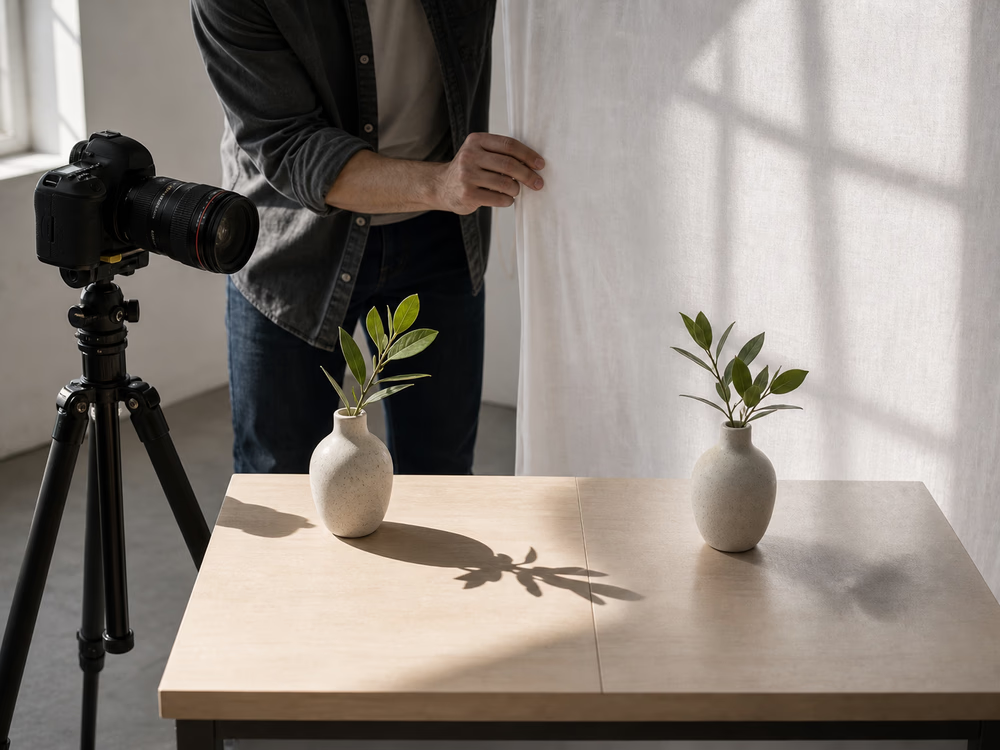 Hard shadows emphasize shape and rhythm. Soft shadows keep depth while feeling gentler and more forgiving.
Shadow type | Visual effect | Useful for |
|---|---|---|
Hard shadow | Crisp edge, high contrast, graphic shape, strong separation | Street scenes, architecture, dramatic portraits, silhouettes, patterns, black-and-white images |
Soft shadow | Gradual edge, gentle depth, quieter contrast, smoother transitions | Portraits, events, travel, lifestyle, details, skin tones, emotional moments |
Open shadow | Subject sits in shade while the background or nearby surfaces carry light | Balanced portraits, weddings, travel scenes, and moments where expression matters |
Cast shadow | A shape from one object falls onto another surface | Storytelling, framing, mystery, repeating patterns, and texture studies |
Creative shadow photography becomes easier when you look for roles shadows can play. Before chasing a dramatic scene, ask whether the shadow should become a pattern, a frame, a mask, a line, a texture, or the main subject. This keeps the image practical instead of vague.
 Architecture can turn ordinary sunlight into rhythm, frames, and leading lines.
Exposure in shadow-heavy scenes is a creative choice. You may protect the highlights and let shadows go deep, expose for the subject and accept a brighter background, or choose a middle exposure that keeps both areas usable. Camera settings are examples, not fixed rules. The right exposure depends on available light, subject movement, skin tone, background brightness, camera dynamic range, and the mood you want.
Goal | Example starting point | Check before moving on |
|---|---|---|
Graphic high contrast | Expose for the lit area and let darker areas fall close to black. | Make sure the shadow shape is clean and the important subject is still readable. |
Portrait with partial shadow | Expose for the lit side of the face, then review the shadow-side detail. | Check skin tone, eye detail, and whether the shadow line cuts the face in a distracting place. |
Street or travel scene | Use aperture and shutter speed for the moment first, then adjust ISO or exposure compensation. | Make sure highlights are not clipped where detail matters. |
Black-and-white shadow photo | Look for tonal separation between light, midtones, and dark areas. | The image should still work when color is removed. |
Soft shadow detail | Expose so texture is visible without flattening the mood. | Avoid lifting shadows so much that the scene loses depth. |
For portraits, test shadows on different skin tones instead of assuming one exposure works for everyone. A shadow that looks dramatic on one subject may hide expression or flatten color on another. Review the face, not only the histogram, and adjust the angle, fill, or exposure when the shadow stops serving the person.
Genre | Shadow opportunity | Practical move |
|---|---|---|
Portraits | Partial faces, patterned light, negative space, and emotional mood | Keep the eyes and expression intentional, even when part of the face falls dark. |
Street photography | People crossing bright patches, long shadows, silhouettes, reflections, and geometry | Find the light and shadow first, then wait safely for a gesture to enter the frame. |
Travel | Markets, alleys, temples, coastlines, windows, and late-day architecture | Use shadows to organize busy places without needing to remove every detail. |
Events | Stage light, window light, reception corners, speeches, dance floors, and candid moments | Protect the atmosphere while keeping important faces readable. |
Black and white | Shape, texture, contrast, and tonal rhythm | Compose for light and dark relationships before relying on color. |
Details | Hands, flowers, fabric, food, jewelry, tools, and product-like objects | Use side light so shadows reveal form and surface texture. |
 In black and white, shadows become structure. The image needs shape, tone, and subject separation without relying on color.
Mistake | What happens | Fix |
|---|---|---|
Using dramatic shadows without a subject | The photo becomes a pattern with no clear reason to look longer. | Add a person, gesture, object, texture, or visual anchor. |
Letting shadows cover the wrong detail | Eyes, hands, products, or important story points disappear. | Move the subject, change camera height, or wait for the shadow edge to shift. |
Overlifting shadows in editing | The image loses depth and starts to look flat or noisy. | Keep some dark areas dark when they support mood and composition. |
Assuming harsh shadows are always bad | You may avoid strong graphic images that would work well. | Use harsh shadows when shape, rhythm, or drama is the goal. |
Assuming harsh shadows are always good | Faces can look uncomfortable, expressions can disappear, and skin can become patchy. | Use softer light, open shade, or a small angle change when the shadow hurts the subject. |
Chasing patterns from unsafe positions | The composition may put the photographer or subject in traffic, unstable footing, or restricted areas. | Use safe walkways, legal viewpoints, and patient timing instead. |
Forgetting the background | A strong shadow competes with signs, clutter, or bright distractions. | Simplify the frame and check the edges before taking the final shot. |
After the shoot, judge shadow-based images by intention. Keep the frames where shadow improves the subject, shape, mood, story, or sequence. Remove frames where the shadow only hides a mistake. A strong final set often mixes one graphic image, one quieter soft-shadow moment, one detail, and one frame where light and shadow guide the viewer through the scene.
 The final edit should prove that the shadows helped the story, not just made the frame look dramatic.
For related practice, read tips for taking photos in harsh sunlight, how to take better black-and-white photos, and composition tips for beginner photographers.
When the strongest images are selected, use Gampi to organize them into a clean gallery or portfolio page so viewers can follow the mood, sequence, and visual rhythm.
Photographers use shadows creatively by turning them into patterns, frames, silhouettes, negative space, texture, mood, and storytelling cues. The shadow should support the subject rather than simply making the photo darker.
Harsh shadows are not automatically bad. They can create strong shape, drama, rhythm, and contrast. They become a problem when they hide important detail, cut across faces awkwardly, or distract from the subject.
Shadows add mood by hiding some information, emphasizing contrast, creating mystery, and directing attention toward the lit parts of the frame. Deep shadows can feel dramatic, while soft shadows can feel quiet or intimate.
Expose based on what matters most: the highlight, the subject, or the shadow shape. Use the histogram and image review as guides, but treat settings as starting points because light, skin tone, movement, and camera dynamic range all change the result.
Portraits, street scenes, architecture, travel details, events, hands, fabric, flowers, food, products, and black-and-white scenes can all work well with shadows when the shape and contrast support the story.
Learn practical ways to photograph texture and details with side light, close framing, focus, backgrounds, contrast, and stronger storytelling value.
Choose better portrait backgrounds with practical tips for clean space, context, color, texture, lines, depth, indoor setups, outdoor locations, and subject separation.
Learn how to find, frame, interrupt, and edit patterns and repetition in photography so repeated shapes become rhythm instead of clutter.